The Ultimate Guide to Choosing the Right Gear Lubricant
Understanding Gear Lubricants
What is Gear Oil?
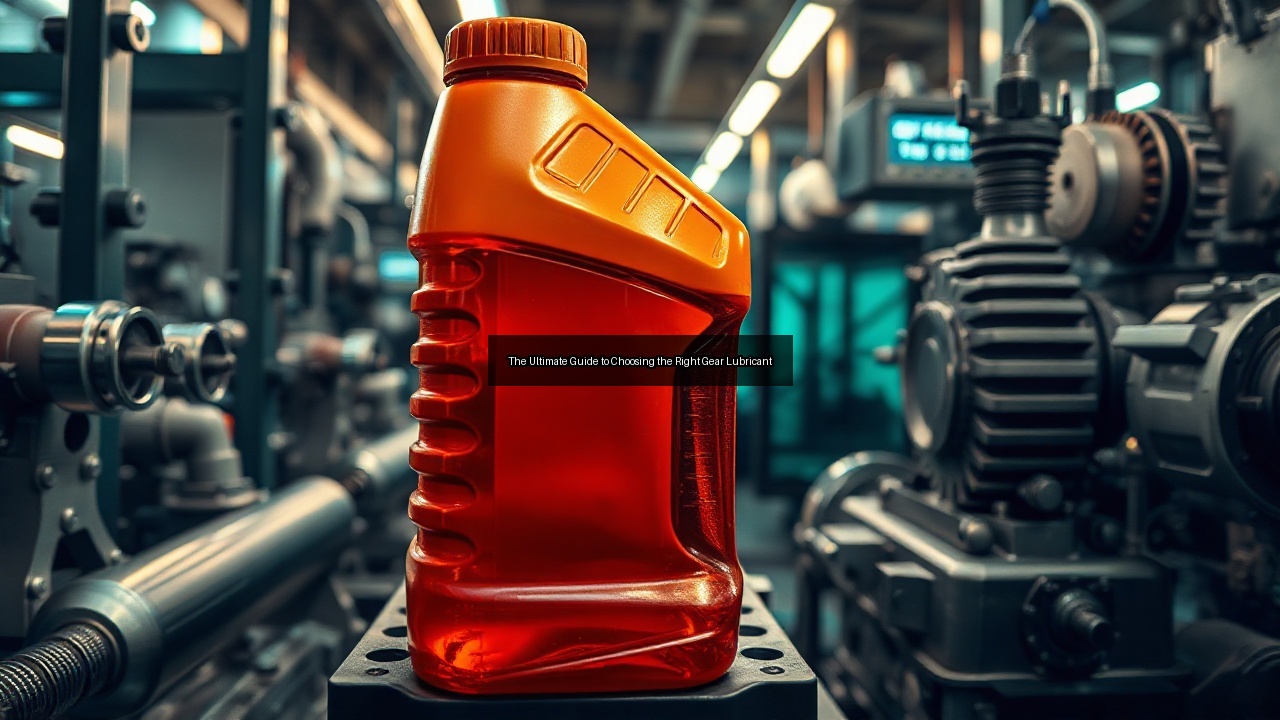
Gear oil, also referred to as gear lube, serves a critical role in the performance and longevity of gear systems. This specialized lubricant is designed for use in various applications, including manual transmissions, differentials, and transaxles. Gear oil reduces friction between moving parts, thus minimizing wear and preventing thermal degradation. The viscosity and formulation of gear oils vary significantly, tailored to meet the demands of specific machinery and operating conditions. Unlike standard motor oils, gear oils typically possess higher viscosity levels to provide adequate protection under extreme pressure conditions often encountered in gear systems. This unique formulation ensures that gears operate smoothly, enhancing overall vehicle performance and efficiency.
Types of Gear Lubricants
Understanding the different types of gear lubricants available on the market is essential for choosing the right one for your needs. Generally, gear lubricants fall into two main categories: synthetic and conventional oils. Synthetic gear oils are engineered in laboratories, resulting in superior performance characteristics such as enhanced thermal stability and lower volatility. These oils resist breakdown under high temperatures and maintain their protective qualities over a broader temperature range. Conventional gear oils, derived from refining crude oil, offer reliable performance but may not withstand extreme conditions as effectively as their synthetic counterparts. Additionally, gear oils can be further classified based on their additives, which may include anti-wear agents, antioxidants, and friction modifiers. Each type of gear lubricant has its own set of advantages, making it crucial to assess the specific requirements of your gear systems.
The Role of Lubrication in Gear Functionality
Lubrication plays a pivotal role in ensuring the reliable functionality of gears. The primary functions of gear lubricants include reducing friction, dissipating heat, and preventing wear. Without proper lubrication, gears can experience excessive friction, leading to increased temperatures and accelerated wear. This wear can result in costly repairs and replacements, not to mention reduced operational efficiency. Gear oil forms a protective film between gear surfaces, allowing them to mesh smoothly and operate effectively. Furthermore, lubrication helps to prevent corrosion caused by moisture and contaminants. Regularly checking and maintaining appropriate levels of gear oil is vital for any automotive or industrial application, ensuring that gears perform optimally and have a prolonged service life.
Selecting the Right Gear Oil for Your Needs
Key Factors to Consider
Choosing the right gear oil involves several key factors that influence the performance and longevity of your gears. First, consider the manufacturer's specifications for your vehicle or equipment. These specifications often provide recommendations on oil type, viscosity, and performance ratings that can guide your selection. Next, evaluate the operating conditions where your gears function. For instance, if your machinery operates under high load or extreme temperatures, a synthetic gear oil may be more suitable due to its superior thermal stability and resistance to pressure. Additionally, consider the age and condition of your equipment. Older gear systems may benefit from gear lubricants containing additives that help reduce wear and restore performance. Finally, take into account the frequency of oil changes and maintenance schedules. Selecting a gear oil that aligns with your maintenance practices will ensure consistent performance and protection for your gears.
Understanding SAE Ratings
SAE ratings, or Society of Automotive Engineers ratings, provide critical information about the viscosity and performance characteristics of gear oils. These ratings categorize oils based on their ability to flow at various temperatures, which is essential for ensuring proper lubrication across diverse operating conditions. For instance, a gear oil rated SAE 75W-90 indicates that the oil has a lower viscosity at colder temperatures (75W) and is suitable for use at higher temperatures (90). Understanding these ratings allows users to select the appropriate gear oil for their specific application, ensuring optimal performance. Using gear oils with incorrect SAE ratings can lead to inadequate lubrication, increased wear, and potential gear failure. Always refer to the owner's manual or manufacturer specifications to ensure compliance with recommended SAE ratings for your vehicle or machinery.
Synthetic vs. Conventional Gear Oils
The debate between synthetic and conventional gear oils often centers around performance and cost. Synthetic gear oils, engineered for superior performance, offer several advantages over conventional oils. They resist thermal degradation, maintain viscosity over a wider temperature range, and reduce friction more effectively. This results in enhanced fuel efficiency and prolonged equipment life. Additionally, synthetic oils often include specialized additives that protect against wear and corrosion, providing even further protection for your gears. Conversely, conventional gear oils, while reliable and more affordable, may not perform as well under extreme conditions, leading to more frequent oil changes and potential repair costs. When selecting between synthetic and conventional gear oils, consider your specific application, operating conditions, and budget to make the best choice for your needs.
Application and Maintenance of Gear Lubes
How to Apply Gear Lubricants
Applying gear lubricants correctly is crucial for ensuring optimal performance and extending the life of your gears. Start by identifying the type of gear system you are working with, whether it’s a manual transmission, differential, or transaxle. Each system might require a different approach. Before application, ensure that the gear box is clean and free of old oil. Drain any existing fluid to prevent contamination. Next, select the appropriate gear oil based on the manufacturer's specifications and your previous evaluations. Use an oil pump or funnel to fill the gear system with the new lubricant, ensuring that you do not overfill, as this can lead to foaming and reduced effectiveness. After application, run the machinery briefly to circulate the lubricant, allowing it to coat all moving parts effectively. Regular checks of the lubricant level and condition can prevent potential issues and maintain efficiency.
Signs of Wear and When to Change Gear Oil
Monitoring the condition of your gear oil is essential for catching signs of wear before they escalate into costly repairs. Common indicators that it’s time to change your gear oil include unusual noises, such as grinding or whining, which may signify inadequate lubrication. Additionally, if you notice leaks or a decrease in the lubricant level, it’s crucial to investigate further. Dark or milky gear oil can indicate contamination or thermal degradation, necessitating an oil change. Also, regularly check for metal shavings or debris in the oil, as these can signal excessive wear of gears. Most manufacturers recommend changing gear oil at specific intervals, but operating conditions and usage may require more frequent changes. Adhering to these guidelines ensures that your gear systems remain well-protected and function efficiently.
Understanding API Standards and Their Importance
API standards, set by the American Petroleum Institute, play a vital role in determining the quality and performance of gear lubricants. These standards specify the minimum requirements for gear oils, ensuring they meet industry benchmarks for performance and protection. When selecting gear oil, look for the API service classification on the label, which indicates compliance with these standards. Higher API ratings generally signify better protection against wear and improved thermal stability. Using API-approved gear lubricants ensures that your equipment remains in compliance with industry standards and helps to prevent legal or warranty issues. Furthermore, adhering to these standards fosters trust in the quality of the lubricant you choose, ensuring that your gears operate optimally and have a longer service life.