Understanding the Role of Gear Systems in Custom Motor Design
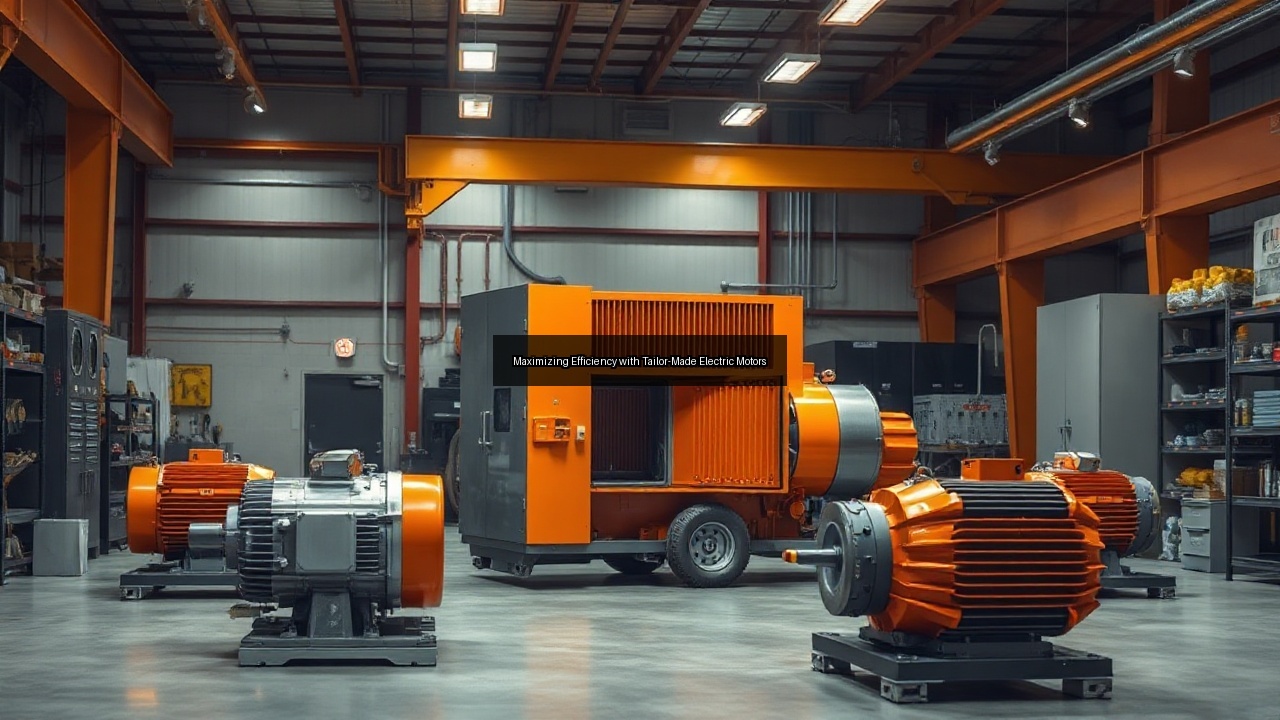
The Fundamentals of Gear Systems in Custom Motor Design
What Are Gear Systems?
Gear systems transfer torque and adjust speed between a motor and its load through meshed teeth on rotating wheels. Engineers select gear types to match application demands in custom motors, where precise control over output rotation becomes essential. A basic setup includes a driving pinion and driven gear that multiply force while reducing rotational speed. This mechanical advantage allows smaller motors to handle heavier tasks without excessive power draw. Proper lubrication and alignment prevent wear during continuous operation. In custom motor projects, designers calculate tooth counts and module sizes to achieve desired performance metrics. Gear systems also absorb shocks from variable loads, extending overall component life. Manufacturers test prototypes under real conditions to verify efficiency before scaling production.
Types of Gear Systems Used in Custom Motors
Spur gears deliver straightforward power transmission with high efficiency in parallel shaft arrangements common to many custom motors. Helical gears reduce noise and vibration through angled teeth, suiting applications that require smoother operation. Bevel gears change direction of rotation by 90 degrees, enabling compact layouts in tight spaces. Planetary gear systems offer high torque density and multiple ratios within a single housing, making them popular for electric motors in demanding environments. Worm gears provide self-locking capability, preventing back-driving in positioning tasks. Each type influences efficiency, backlash, and maintenance needs differently. Selection depends on load characteristics, speed requirements, and space constraints. Custom motor builders often combine several gear types to optimize the final assembly for specific performance targets.
The Importance of Gear Ratios in Motor Performance
Gear ratios determine how input speed from the motor converts into output torque and velocity at the load. A higher ratio increases torque while lowering speed, allowing custom motors to drive heavy equipment without oversized power sources. Lower ratios favor high-speed applications where rapid rotation matters more than force. Engineers calculate ratios using tooth counts on driving and driven gears to meet exact operational curves. Incorrect ratios lead to overheating, inefficiency, or insufficient power delivery. In electric motors, proper gearing extends battery life by matching motor output to load demands. Testing different ratios during development reveals optimal balance between acceleration and sustained performance. Custom motor designs frequently incorporate adjustable or multi-stage gearing to accommodate varying conditions across duty cycles.
Integrating Electric Motors and Gear Systems
Direct Current vs. Alternating Current Motors
Direct current motors provide simple speed control through voltage variation, making them straightforward partners with gear systems in custom motors for variable-speed tasks. Alternating current motors deliver robust performance at fixed speeds and handle higher power levels efficiently in industrial settings. Gear integration multiplies torque from either motor type, enabling smaller units to meet application requirements. Direct current setups excel in battery-powered custom motor projects where portability matters. Alternating current motors pair well with gear reducers for continuous-duty cycles in fixed installations. Selection hinges on power source availability, control complexity, and maintenance preferences. Both motor categories benefit from precise gear ratio matching to avoid energy waste and mechanical stress during operation.
Brushless DC Motors: Advantages and Applications
Brushless dc motors eliminate mechanical brushes, reducing friction and extending service intervals in custom motors. Electronic commutation delivers precise speed regulation that pairs effectively with gear systems for smooth torque delivery. These motors run cooler and achieve higher efficiency than brushed alternatives, supporting longer runtime in electric motors applications. Gear integration allows brushless dc units to produce high torque at low speeds without excessive current draw. Common uses include robotics, conveyors, and automotive actuators where reliability and compact size matter. Designers select winding configurations and gear ratios together to optimize performance curves. Brushless dc motors also generate less electromagnetic interference, benefiting sensitive control electronics in customized assemblies.
Synchronous and Induction Motors: A Comparative Analysis
Synchronous motors maintain constant speed locked to supply frequency, offering high efficiency when combined with gear systems in custom motors that require steady output. Induction motors self-start and tolerate overloads better, providing cost-effective solutions for many gear-driven applications. Synchronous designs deliver superior power factor correction but demand more complex starting methods. Induction motors handle variable loads gracefully yet operate at slightly lower efficiency. Gear ratios help both motor types match load characteristics without oversized frames. Custom motor manufacturers evaluate starting torque, efficiency curves, and maintenance needs when choosing between them. Synchronous motors suit precision timing tasks while induction motors dominate general-purpose electric motors with gear reduction.
Applications of Gear Systems in Customized Motors
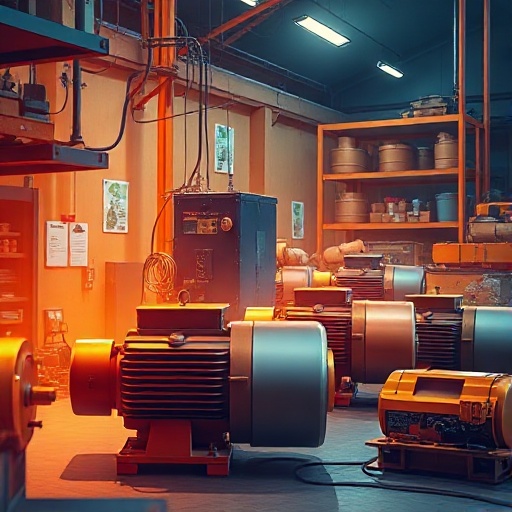
Gear Systems in Electric Truck Motors
Electric truck motors rely on robust gear systems to convert high-speed motor rotation into the torque needed for heavy cargo transport. Multi-stage planetary gears provide the necessary reduction while fitting within axle housings. These configurations allow custom motors to deliver strong acceleration from standstill and maintain efficiency at highway speeds. Gear selection directly affects range and payload capacity in electric truck designs. Manufacturers incorporate oil-cooled gears to manage heat generated under continuous load. Custom motor solutions for trucks often feature modular gear units that adapt to different vehicle weights and duty cycles. Proper gear integration reduces motor size and weight, improving overall vehicle efficiency and battery longevity.
Precision Engineering in Servo Motors
Servo motors demand low-backlash gear systems to achieve the positioning accuracy required in automation and robotics. Precision engineering ensures minimal play between teeth, preserving repeatability across thousands of cycles. Custom motors in this category combine high-resolution encoders with optimized gear ratios for smooth motion profiles. Helical and planetary gears reduce vibration that could otherwise degrade performance in sensitive applications. Engineers machine components to tight tolerances and select materials that resist wear under frequent direction changes. Servo motor gear systems also incorporate feedback loops that adjust motor output in real time. This integration delivers the controlled acceleration and deceleration essential for pick-and-place operations and CNC equipment.
Utilizing Gear Systems in Generators and DC Motors
Generators paired with gear systems increase rotational speed from slower prime movers to levels that optimize electrical output in custom motor designs. DC motors benefit from gear reduction to produce high torque at low speeds for winches, lifts, and traction drives. Gear integration allows a single motor or generator frame to serve multiple speed and torque requirements across applications. Custom motors for generator sets often use helical gears to minimize noise during continuous operation. DC motor gear systems handle regenerative braking energy effectively in mobile equipment. Manufacturers match gear materials and lubrication to the thermal and mechanical stresses present in generator and dc motor environments. This approach extends component life while maintaining consistent electrical performance.
Manufacturing and Inventory Considerations for Custom Motors
Selecting Materials for Gear and Motor Components
Material choice for gears and motor components affects strength, weight, and thermal performance in custom motors. Hardened steel gears withstand high torque loads while cast aluminum housings reduce overall mass. Copper windings in electric motors improve conductivity and efficiency when paired with appropriate gear ratios. Engineers evaluate corrosion resistance and fatigue properties for applications exposed to harsh conditions. Custom motor projects sometimes incorporate composite gears to lower inertia and noise. Material selection also influences manufacturing processes such as machining, heat treatment, and surface finishing. Balancing cost against durability ensures the final assembly meets both performance targets and budget constraints without compromising reliability.
Managing Inventory for Custom Motor Production
Effective inventory management supports timely delivery of custom motors by tracking gear blanks, motor housings, and electronic controllers. Just-in-time ordering reduces storage costs while preventing production delays from component shortages. Standardized gear modules allow shared inventory across multiple custom motor variants. Manufacturers maintain buffer stocks of critical items such as bearings and seals that wear during testing. Digital tracking systems provide real-time visibility into stock levels and lead times for specialized parts. Proper inventory control also minimizes obsolescence when design revisions occur. Coordinated planning between engineering and procurement teams ensures that gear systems and motors arrive ready for assembly when scheduled.
Quality Control in Customized Motor Manufacturing
Quality control procedures verify gear tooth profiles, motor winding integrity, and overall assembly alignment in custom motors. Dimensional inspections and runout measurements catch deviations before final testing. Load testing confirms that gear systems deliver specified torque without excessive temperature rise. Custom motor manufacturers document every inspection step to support traceability and continuous improvement. Vibration analysis and noise measurement identify potential issues in integrated electric motors. Statistical process control tracks variation across production batches. Rigorous quality gates reduce warranty claims and maintain customer confidence in precision-engineered custom motors.
Future Trends in Custom Motor Design and Gear Integration
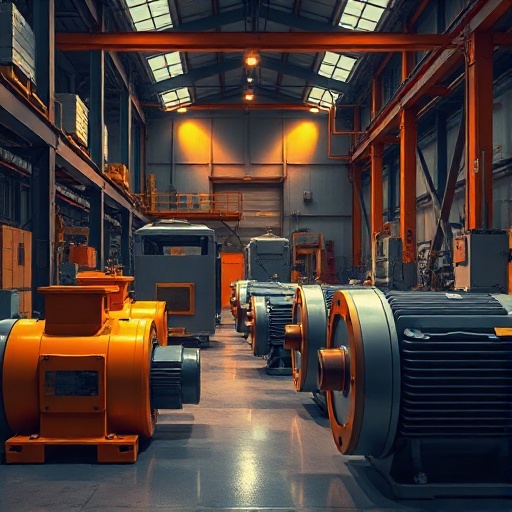
Emerging Technologies in Electric Motors
Advanced magnetic materials and additive manufacturing enable lighter, more efficient electric motors for custom motor applications. Integrated sensors provide real-time data on temperature and vibration, allowing predictive maintenance of gear systems. High-speed motors paired with specialized gear reduction open new possibilities in compact powertrains. Custom motor developers explore axial-flux designs that change traditional gear integration approaches. These technologies improve power density while reducing energy losses across operating ranges. Continued progress in power electronics supports finer control of motor output matched to gear characteristics.
The Role of Automation in Motor Manufacturing
Automated assembly lines increase consistency when producing custom motors with complex gear systems. Robotic gear meshing and laser alignment reduce human error during integration. Automated testing stations run full load cycles on every unit, generating data for process refinement. Custom motor manufacturers adopt digital twins to simulate gear and motor behavior before physical production begins. Automation also speeds changeovers between different motor configurations, supporting smaller batch sizes. These advances lower costs while raising quality standards across the industry.
Sustainability in Custom Motor Development
Sustainability initiatives focus on recyclable materials and energy-efficient processes in custom motors and gear production. Designers reduce rare-earth content in electric motors through optimized magnetic circuits and gear ratios. Remanufacturing programs extend the life of motors and gear components, lowering raw material demand. Custom motor suppliers track carbon footprints across the supply chain to identify improvement opportunities. Efficient gear systems decrease overall energy consumption during product use. These efforts align manufacturing practices with environmental goals while delivering reliable performance.
See Also
- Unlocking the Power of Custom Motors for Your Unique Applications
- From Concept to Creation How Custom Motors Transform Industries
- A Deep Dive into Synchronous Motors for Specialized Uses
- The Future of Custom Electric Motors in the Era of Renewable Energy
- How Customized Motors are Revolutionizing Precision Engineering